
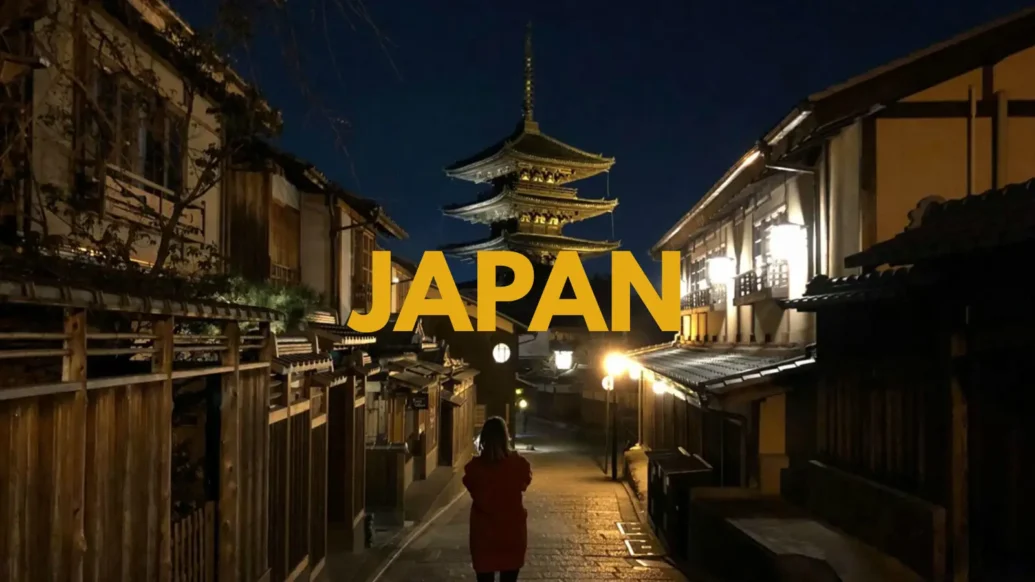
Wondering how to see the best of Japan in just two weeks? Part two of our Japan travel guide takes you beyond Tokyo to explore the charm of Osaka, the culture of Kyoto, and the calm of Kanazawa — with stops for ramen, beer, temples and vintage shopping along the way. If you missed the first leg of our journey, catch up here: How to See Japan in Two Weeks: Part 1 – Tokyo and Mount Fuji. It’s fast-paced, full of character, and surprisingly doable.
Perhaps nowhere in the world manages to fuse modern living with ancient traditions quite as naturally and intriguingly as Japan. The Land of the Rising Sun’s ability to seamlessly blend the ornate and the animated makes it a Holy Grail for many a traveller in the West in search of awe and confusion in equal measure. And with the success of the Rugby World Cup and Tokyo Olympics, interest in sumo, Shinto, and sashimi has become more noticeable than ever.
With that in mind, we headed east to discover Japan’s idiosyncrasies in a fortnight, a feat perfectly achievable given its efficient and affordable public transport.
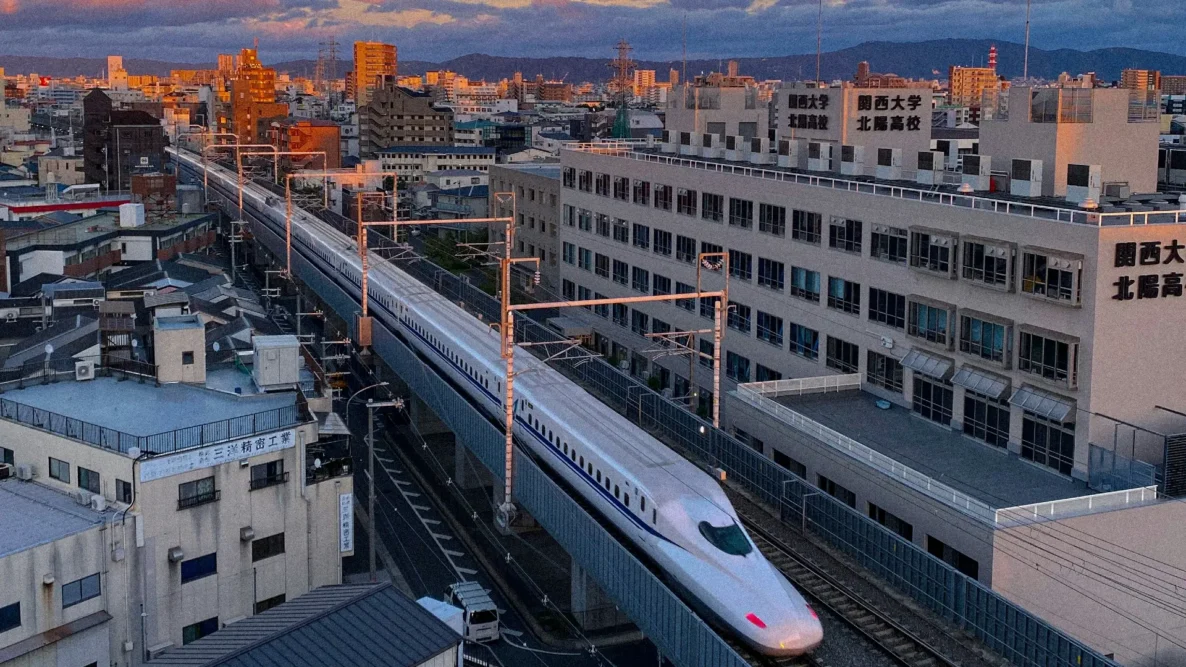
Japan Two-Week Itinerary
- Tokyo (3 nights)
- Fuji/Kawaguchiko (2 nights)
- Osaka (2 nights)
- Kyoto (3 nights)
- Kanazawa (2 nights)
- Tokyo (2 nights)
Osaka Travel Guide
It may not be the prettiest city in the conventional sense of the word, but there’s something certainly unique about the atmosphere of Osaka when compared to other Japanese destinations.
Self-assured, playful and, dare we say, less conservative? Japan’s third-largest metropolis is where locals and tourists go to let loose, with a plethora of energetic bars and karaoke joints, as well as some of the best food in the country.

Accommodation in Osaka
One of the best things about Osaka is that, unlike Tokyo, most of its hubs are within a 45-minute walk of each other, meaning you can narrow your accommodation search much more efficiently.
We’d recommend staying anywhere close to the hub of Dotonbori, and for us, that meant Hotel It Osaka Shinmachi , a contemporary multi-storey hotel which comes complete with a modern bar and Italian restaurant. Rooms are spacious for Japanese standards and every aspect of the hotel is finished with a uniform tartan touch. Hotel It is more than an ideal hub for your stay.
Things to Do in Osaka
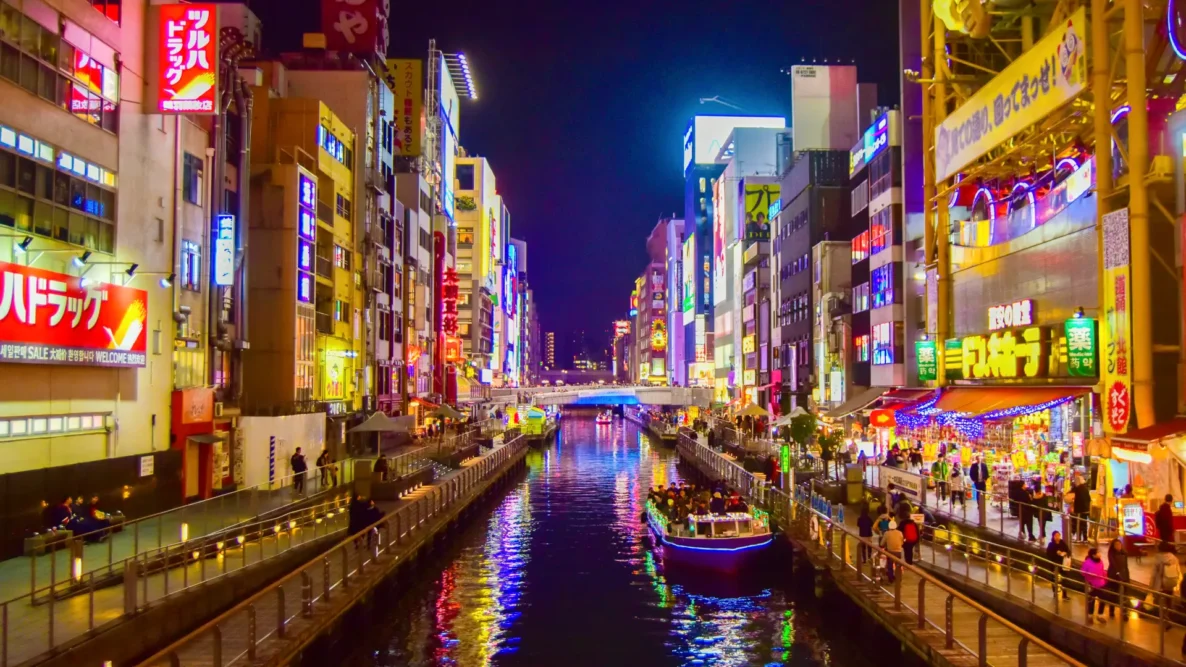
Unlike Tokyo and Kyoto, there are not many ‘must-see’ sites in Osaka, but that means you’ve got time to wander aimlessly and relax — something virtually impossible in the other two cities. That said, Osaka-jo, the city’s impressive castle, will be on your list, and if you need a Shinto shrine fix, Sumiyoshi Taisha is also worth the walk. Kuromon Market should also be experienced.
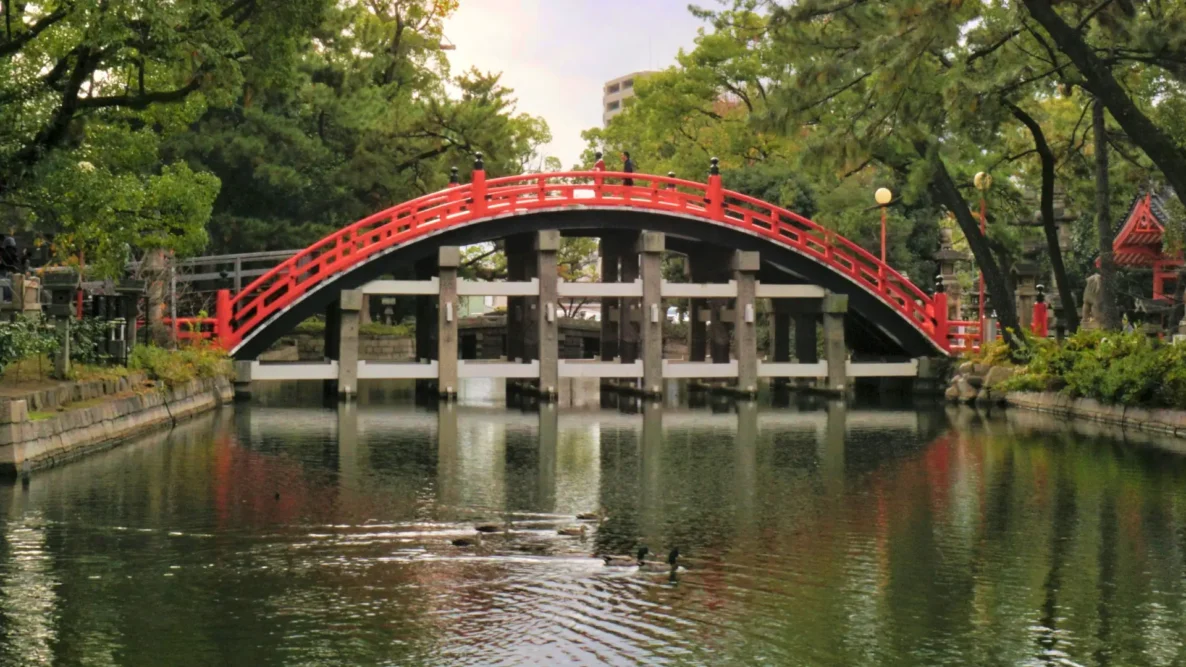
Dotonbori is where much of the city’s revelry occurs, coming alive in the evening when karaoke spots are packed, and bars spill onto the street. American Village (Amerikamura) is also perfect if you want to do some vintage shopping with the younger crowds.
Elsewhere, Universal Studios Japan is closer to the city centre than you might think at first glance, and Osaka Aquarium Kaiyukan is genuinely one of the largest and most impressive aquariums in the world. Even if it’s generally not your thing, we doubt you’ll regret the entry fee.
Best Places to Eat and Drink in Osaka
Food and drink is where Osaka really comes into its own. Famed for takoyaki (battered octopus balls) and okonomiyaki (a savoury pancake with cabbage), Osaka is known as the ‘Nation’s Kitchen’, and as such, you’ll find oishii (delicious) meals here basically anywhere. Top tip? Get the short rib ramen from Hanamaruken Namba Hozenji in Dotonbori and head to Izakaya Toyo (as featured on Netflix’s Street Food) for some of the city’s famed street food as well as a heavy dose of Osaka charm.
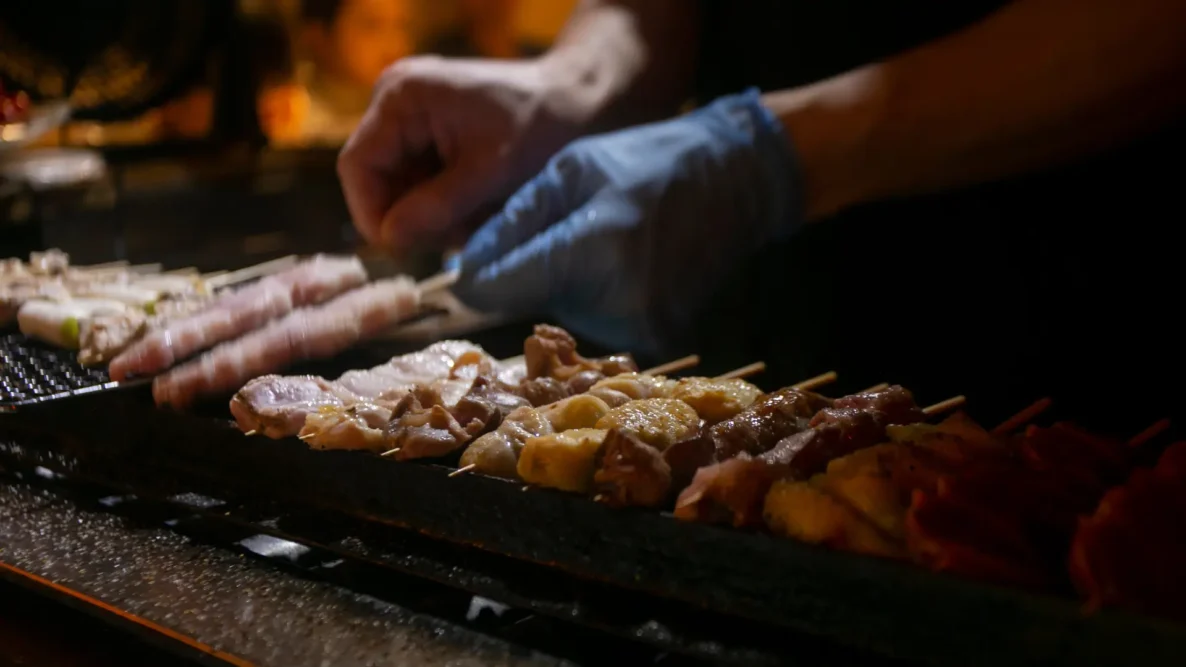
If you stick to Dotonbori, Cinquecento can most aptly be described as a tourist dive bar with cheap and cheerful booze. But we’d also highly recommend Bar Nayuta, a secret cocktail bar five stories up a residential block. There’s no menu, but the English-speaking bar staff know their craft. Just look for the star on the door and trust the process.
As for craft beer lovers, you’re in luck. Within a 15-minute walk, you’ll find Craft Beer Works Kamikaze, Yellow Ape, Gulp, Marciero, Garage39 and Sunny Day Dumpling, all serving local brews, with the last two also serving delicious small plates to keep you going.
Kyoto Travel Guide
Home to some 2,000 temples and shrines, Kyoto is the cultural capital of the country and the epitome of quaint Japan. Sitting alongside the atmospheric temples, you’ll find precise gardens, traditional teahouses and, if you’re lucky enough, geisha meandering through historic streets.
Kyoto is one of the prettiest cities in the world. And despite its reputation for waves of tourists and those looking to slam a Gram on Insta — much of which is justified — it’s still essential for any traveller who finds themselves presented with the opportunity.
Accommodation in Kyoto
Unsurprisingly, given its reputation for travellers, there is no shortage of hotels, ryokan, and hostel options in Kyoto. And with the main sites distributed all over the city, you could stay anywhere and be near something of spectacular interest. But all things considered, Downtown Kyoto is the best place in the city to be based. You’ll be within walking distance of most of the shops, restaurants and bars worth visiting, and you’ll also be well-placed to jump on the city’s subway lines and two train lines.
We stayed at the Grand Japaning Kyoto Gojo Villa in the Shimogyo Ward district of Kyoto. Located on a typical, picture-perfect and quiet Kyoto street, the three-star hotel has air-conditioned rooms with private bathrooms, or family rooms if you’re travelling in a group. It has everything you’d need and more, and is perfectly located for a long weekend of temples and Japanese history.
Things to Do in Kyoto
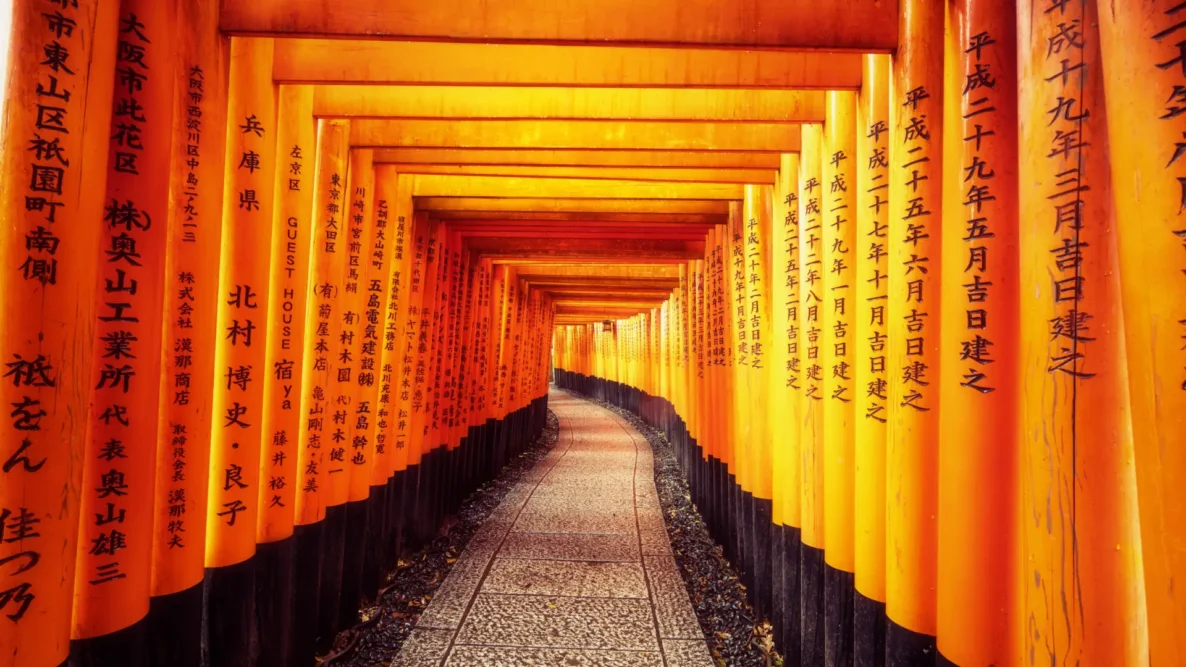
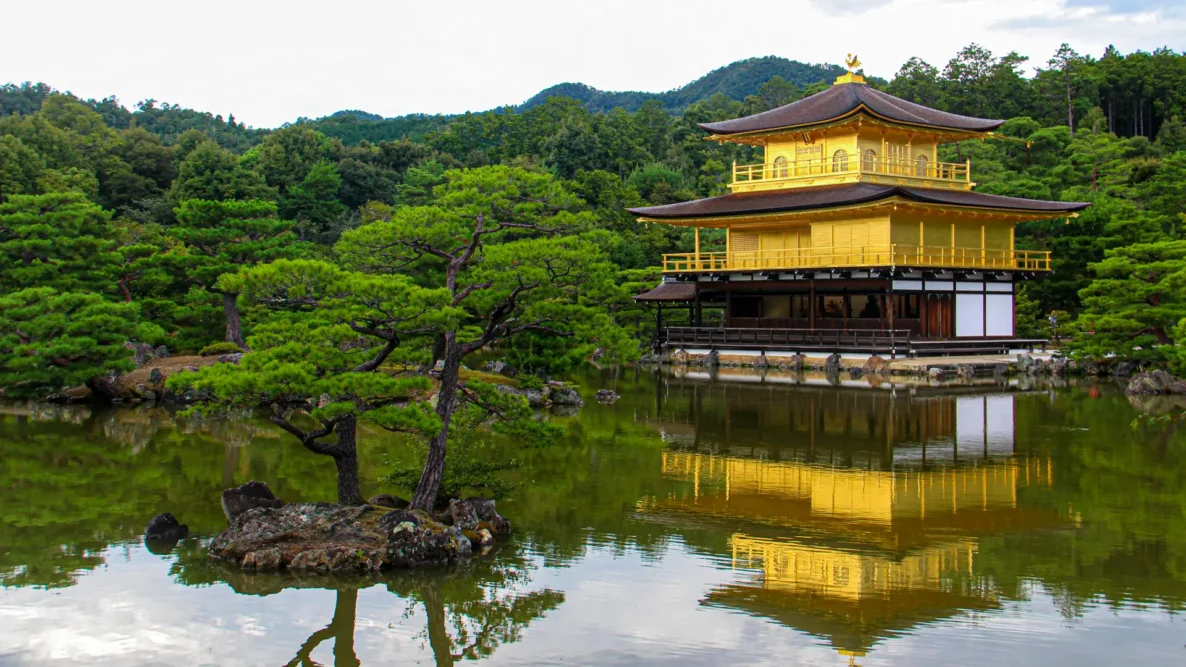
Even if there weren’t the undeniable gems to visit in Kyoto, an aimless walk through its famed wooden-clad streets alone would justify the trip. That said, the likes of Fushimi Inari Taisha, an iconic shrine located at the bottom of a mountain with a thousand torii (traditional gates found at all Shinto shrines), and Kinkakuji, the similarly iconic golden temple, are simply essential when in Japan, let alone Kyoto. The walk into the mountain at Inari may be daunting, but its viewpoints and shrines dotted along the way make it a memorable experience.
Other historic sites worth mentioning include Tofukuji Temple, Kiyomizu-dera and the centrally-located Nijō Castle. If it’s geisha (or geiko, as they’re known locally) you’re on the lookout for, your best bet is the stunning Gion district or Higashiyama. Both should definitely be visited, with the latter offering one of Japan’s most tranquil and special images – especially at night. The Insta-famous Ninenzaka steps are located here, too.
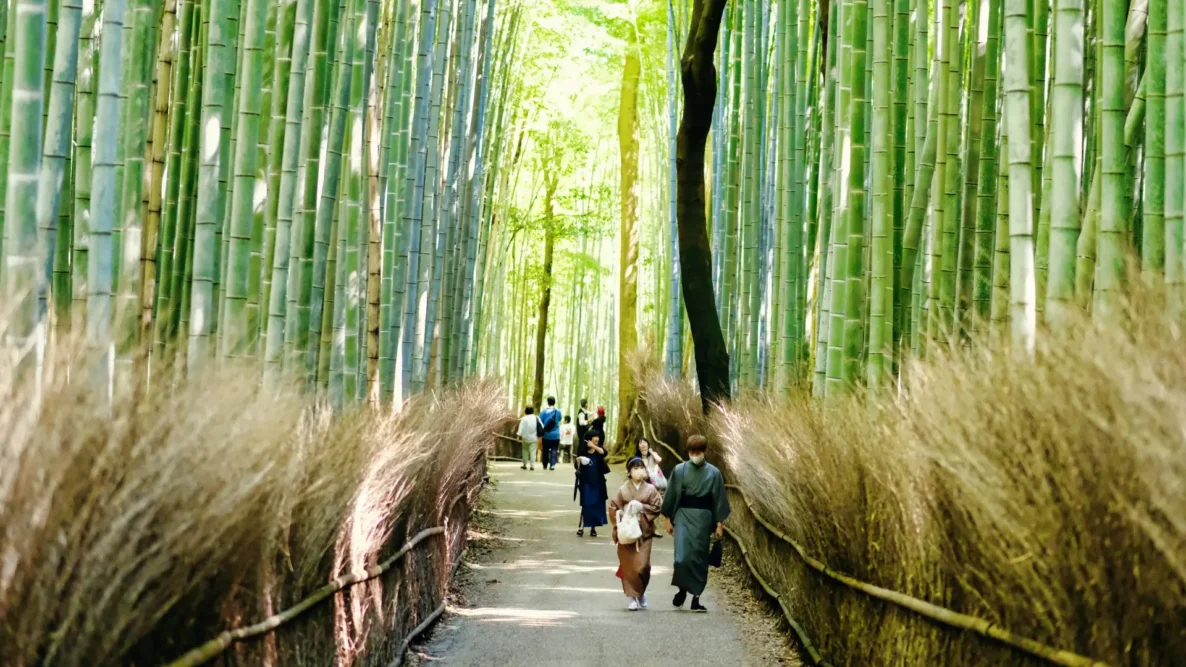
Elsewhere, the Arashiyama district in the north is worth allocating some time thanks to its Bamboo Forest and the Monkey Park Iwatayama, which offers incredible views of the city as well as 170 Japanese macaque monkeys. A word of warning generally about Kyoto: things get extremely busy during peak hours. You’ll need to go early (or as late as possible) to Inari and Kinkakuji, especially if you want to avoid the masses.
Best Places to Eat and Drink in Kyoto
Given its relative affluence, fine dining in Kyoto is very much on the menu. Some of the city’s best restaurants include Kikunoi, Guilo Guilo Hitoshina and Kitcho Arashiyama. Still, if you want something more affordable, Takatsuji Sukemasa has the best gyoza we have gorged on in Japan. Meanwhile, Sobanomi Yoshimura and Hinode Udon served up the best soba and udon noodles we ate anywhere in the country.
As for craft beers, Kyoto Beer Lab has a great vibe, while Before9 and our personal favourite, Bungalow, are both winners if you want some small plates with your beer and sake.
Kanazawa Travel Guide
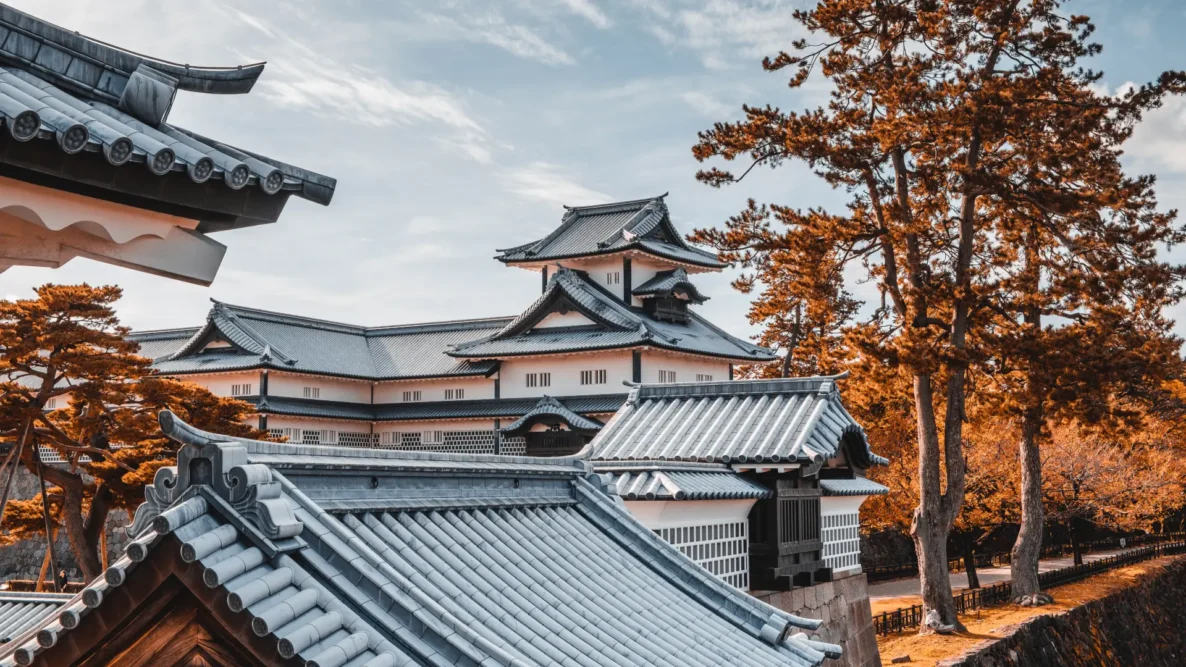
Located in the Hokuriku region, a trip to the cultural hub of Kanazawa is the perfect tonic after the hustle and bustle of Japan’s big three cities. Rivalling Kyoto as the historical jewel of mainland Nippon, Kanazawa is best known for its botanical gardens, unique museums, onsen, and Edo-era samurai and geisha districts. Notably, it sees far fewer tourists than Kyoto or Tokyo.
Accommodation in Kanazawa
While Kanazawa may be much bigger than you’d imagine, its highlights are all within short walking distance. That means location is important when it comes to your abode, and it’s a good idea to stay just southeast of Kanazawa Station, preferably near Asano River, or at least no further north than the station.
For us, that meant a stay at the uber-hip and highly recommended Hatchi by The Share Hotels. A renovated hotel, this modern hotel/bar/gallery wouldn’t feel out of place in Shoreditch, with Hatchi’s own t-shirts and branded notebooks available at reception. It’s a perfect place to refresh after all the madness. Our private room was spacious, comfortable, and lovingly designed, with concrete brutalism that met sleek minimalism and a dash of Japanese traditionalism. The lasagne downstairs is also sensational.

Things to Do in Kanazawa
By the second week of your Japan travels, chances are you’ll be done with hordes of tourists ruining your shot. The good news is being a tourist is a much more pleasurable experience in Kanazawa. The vast majority of people are locals or, at the very least, Japanese.
The jewel in Kanazawa’s crown is undoubtedly Kenroku-en, one of the so-called ‘Three Great Gardens of Japan’. Located just over the bridge from Kanazawa Castle (also a ‘must-visit’), the gardens opened to the public in 1871 after two centuries of curation. Now, it’s home to various flowering trees, ponds, bridges, viewpoints and even Japan’s oldest water fountain.
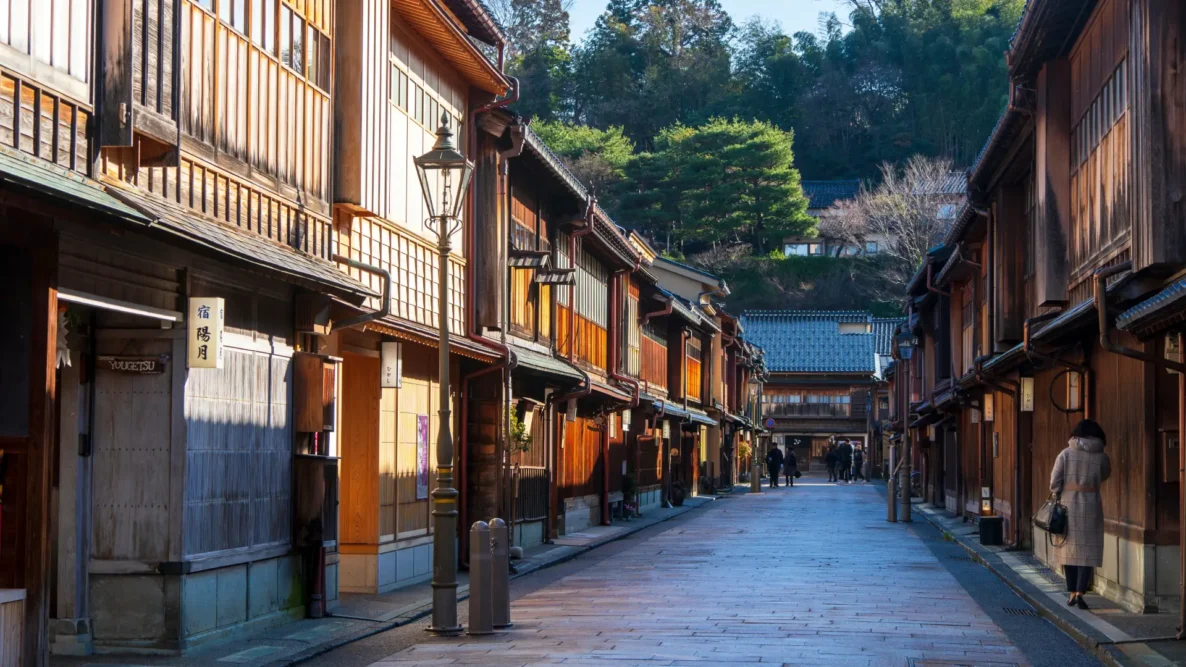
Omicho Fish Market is Kanazawa’s primary market, with over 160 vendors, while the former samurai district of Nagamachi is worth a wander. Higashi Chaya is where you’ll find wooden cladding, all things matcha, and maybe even some geisha; however, it gets busy. There are also some museums worth seeing, such as the D.T. Suzuki Museum, a museum dedicated to the Zen philosopher D.T. Suzuki, and the 21st Century Museum of Contemporary Art, which is also fun, even if it’s not cutting edge.
Best Places to Eat and Drink in Kanazawa
Kanazawa is famed for its take on curry. Unlike elsewhere, most curries here aren’t katsu but are no less oishii. Jo-House and Nanahoshi Curry are two good options if you want to sample it among the locals. Alternatively, Fuwari and Kuroya are both excellent izakayas.
For drinking, we enjoyed Oriental Brewing, which brews its own beers in-house and also serves pizza, while Craft Beer Dive Futa’s was the closest we felt to home, with BBC Radio 6 Music playing in the background.
Our main tip, however, is Jazz Spot Bokunen. It won’t look like much from the outside but enter the unassuming door, and you’ll find a gigantic wooden bar and table, with even more gigantic speakers behind the bar playing all-time great jazz vinyl. It was a really unexpected gem, and the curry was also top-notch.
So there we have it: our guide to seeing Japan in just two weeks. We hope it gives travellers a few things to think about, even if it isn’t followed meticulously. Japan is an extraordinary country with extraordinary people; you’ll find beauty and interest anywhere you go. Just throw yourself into it.

- How to Win a Game of Conkers - 8 October 2023
- Top 10 Best Sports Documentaries of All Time - 18 May 2020
- Super Veloce Reveal Espresso Machine Based on a Porsche 933 - 11 May 2020