
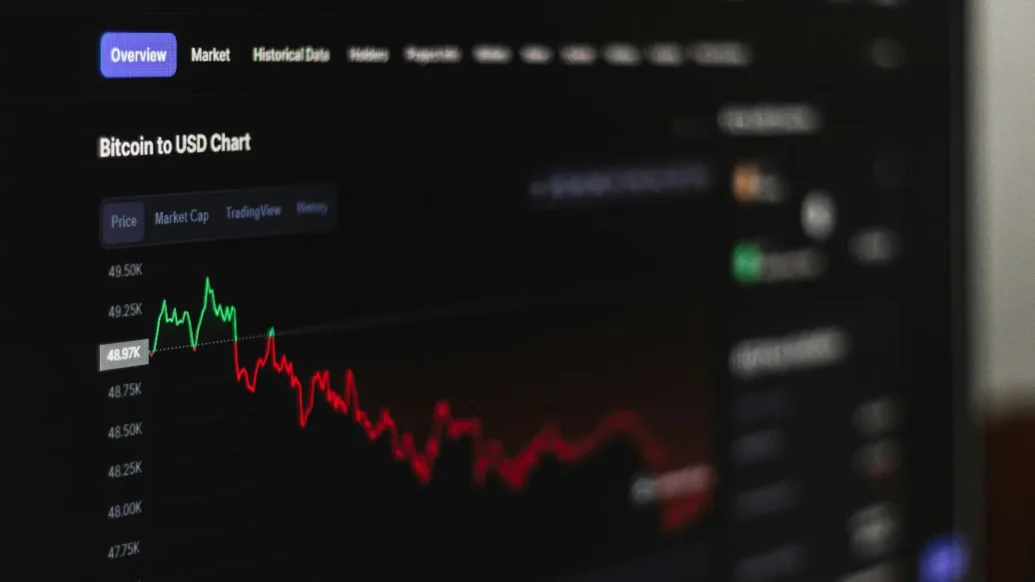
The demographic outlook for women in finance has been particularly dire, as it is in many other work sectors. While about 46% of finance employees are women, there is a constant decline as we approach higher positions, with 15% of them occupying executive roles and comparatively fewer dominating the C-suite. This has raised many questions over the years, as there have been similar occurrences in other sectors. The International Labour Organization shows that women’s global labour force participation rate is just under 47%. For men, it sits at roughly over 70%. From a holistic point of view, you’d find more men dominating a lot of markets, but the numbers are particularly glaring in the forex space. Here is an insight into the factors behind this reality.
Historical Context of Men and Women in Trading
The establishment of formalised foreign exchange trades began in the 19th and 20th centuries, particularly after the adoption of the gold standard and, later, the fiat currency. These transactions were conducted by major financial institutions before trading platforms and brokerages like OANDA and TradingView came in. At this time, there was a higher concentration of men in the industry — which includes banking and finance — as these spaces were mostly male-dominated. Women’s participation in these professions was almost nonexistent due to systemic legal, social, and economic barriers to education and professional advancement.
The majority of women were made to live in complete dependence on men, with no opportunity or support to work, earn, or compete in the job market. Those who managed to secure a job at the time were paid approximately 60% less than men and could only work in small industries like matchmaking, shoe stitching, and nail making without access to bigger sectors like forex trading and investments. It wasn’t until after 1975 that women in the United Kingdom were allowed to open a bank account of their own and manage their own money without a male co-signer. The forex market was gatekept as a male-dominated sector right from the beginning, and to this day, men have a higher advantage and more opportunities than women.
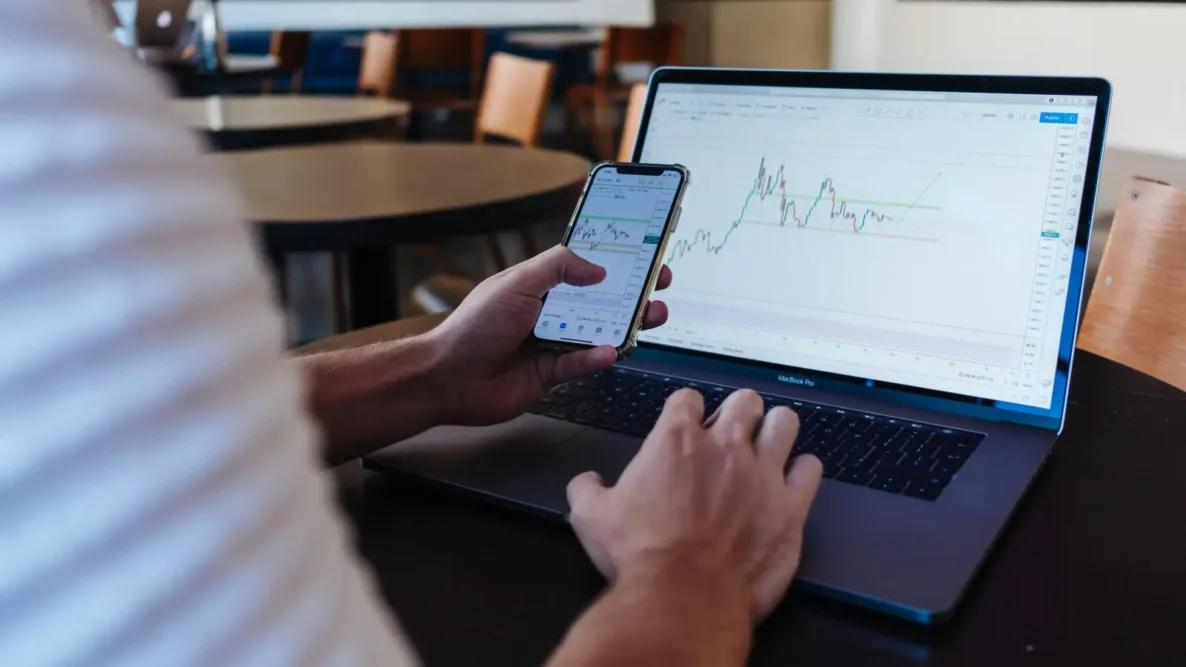
Why Are Men Leading in Forex Today?
The first and most overarching answer to this question is patriarchy. Men have been leading in forex since the market came into existence because women were either pushed out or disallowed from joining it. Now, with an artificially created and maintained gender gap, which is likely to take a very long time to fill, it becomes incredibly difficult for women to rise to the top. Other reasons for this gap are fewer opportunities for mentorship and women’s preference for investing in long-term options with a higher dividend over time, rather than trading day-to-day with drastic volatility.
Opportunities for Mentorship in Finance
Mentorship has been advocated in career and personal development for years, and its relevance cannot be overstated. CNBC reported that 9 out of 10 workers say that they are happy with their jobs, and 4 out of 10 who don’t have one have considered quitting over time. People generally feel more enthused to start a career when they have proper directions, and this is one that is less available for women in finance.
Women in forex generally do not have access to mentorship opportunities as much as their male counterparts. Considering the fact that women are starting much lower than men in the field, there’s a problem in finding mentors and related programmes that cater to women. Although initiatives are growing, they aren’t enough to bridge the current gap. Like millions in the world look up to figures like Warren Buffet, women need enough working examples of other women who’ve been in the industry for a few decades to guide them through the challenges they might face with advancing in this sector. Fortunately, there are individuals already rising to this challenge with channels like Girls That Invest. Some of them include finance mentorship programmes like Women’s Business Centers (WBCs), The Athena Leadership model, and Women in Technology (WIT).
Women Are Savers
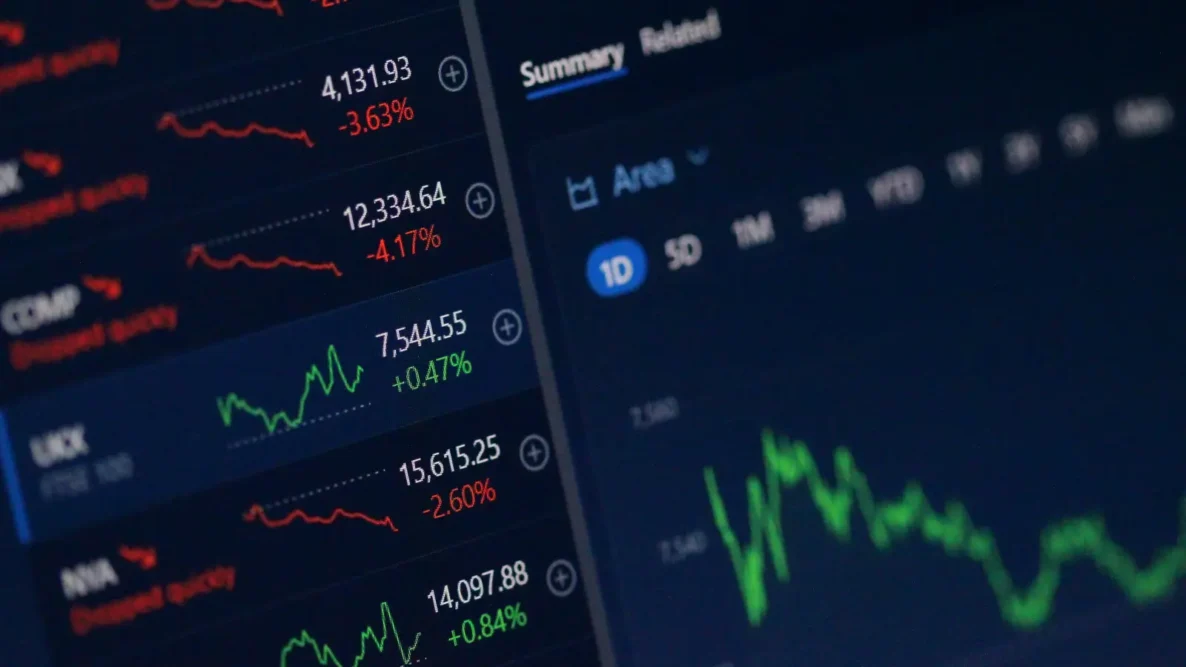
A 2024 poll of 2,000 UK adults by Yahoo Finance found that 74% of women were more inclined to save their money rather than try out an investment. In fact, HMRC (HM Revenues & Customs) figures reveal that women hold more money in cash ISAs (Individual Savings Accounts) than men. These facts show that they tend to prioritise the safety of saving their money rather than exploring the volatile and risky nature of the forex market, which is at the top of the list of high-risk investments due to its volatility and leverage.
While price swings can be beneficial when they go well, declines sometimes take a huge toll on traders. While women are surely interested in multiplying their money, many of them prefer to look to alternatives like stocks and shares ISAs rather than bet on the currency market as men do. As of today, about 48% of women are reported to have money sitting in stock market investments. On the other hand, most men are less fearful of the risks of trading due to ego trading, overconfidence, and the adrenaline rush of the market. This explains why you’d find more of them in the sector and amongst the heavy investors overall.
Bridging the Gender Gap in Financial Markets
The foreign exchange space is one of the most dynamic markets, with no explicit restrictions based on demography, age, gender, or location. Some ways to bridge the long-existing gender gap are creating an inclusive trading community, highlighting diversity, and recognising the successes of female traders in the field more than before. Women are already taking charge, with many of them having achieved incredible success in finance. If the inclusivity in the sector persists, we can expect the gender gap to equalise — slowly, but surely.

-
 How to book a cheap holiday without making it feel cheap - 5 May 2026
 - Designing the ultimate WFH setup: Backgrounds, lighting and everything in-between - 21 January 2026
- How tech is transforming online entertainment with gamification - 9 November 2025