
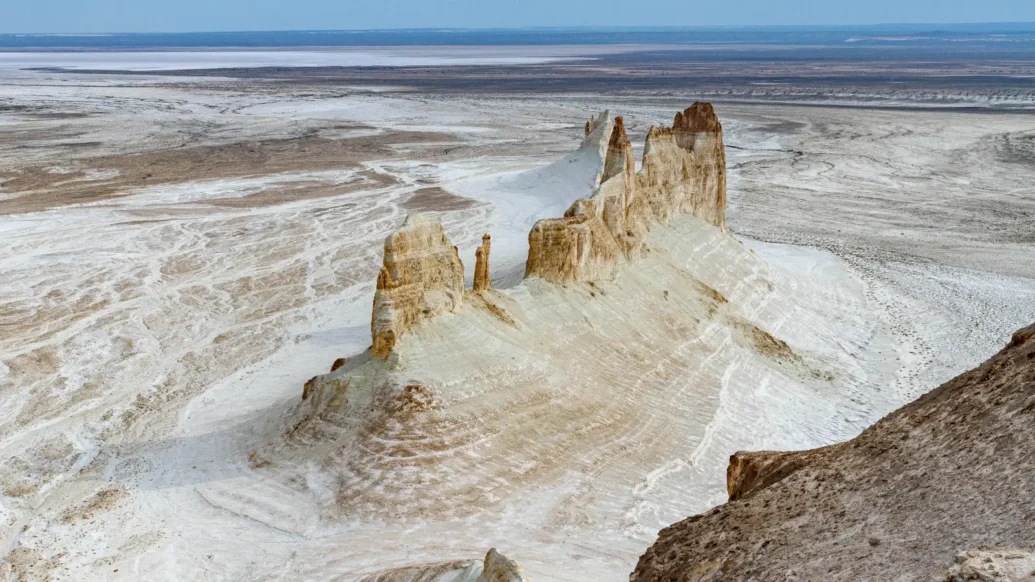
Kazakhstan, one of the world’s largest countries by size, often flies under the radar, particularly for British holidaymakers who miss out on its secrets. Yet, this vast and undiscovered destination is brimming with breathtaking natural landscapes, fascinating history, and unique cultural treasures. Here are a few surprising things you might not know about Kazakhstan:
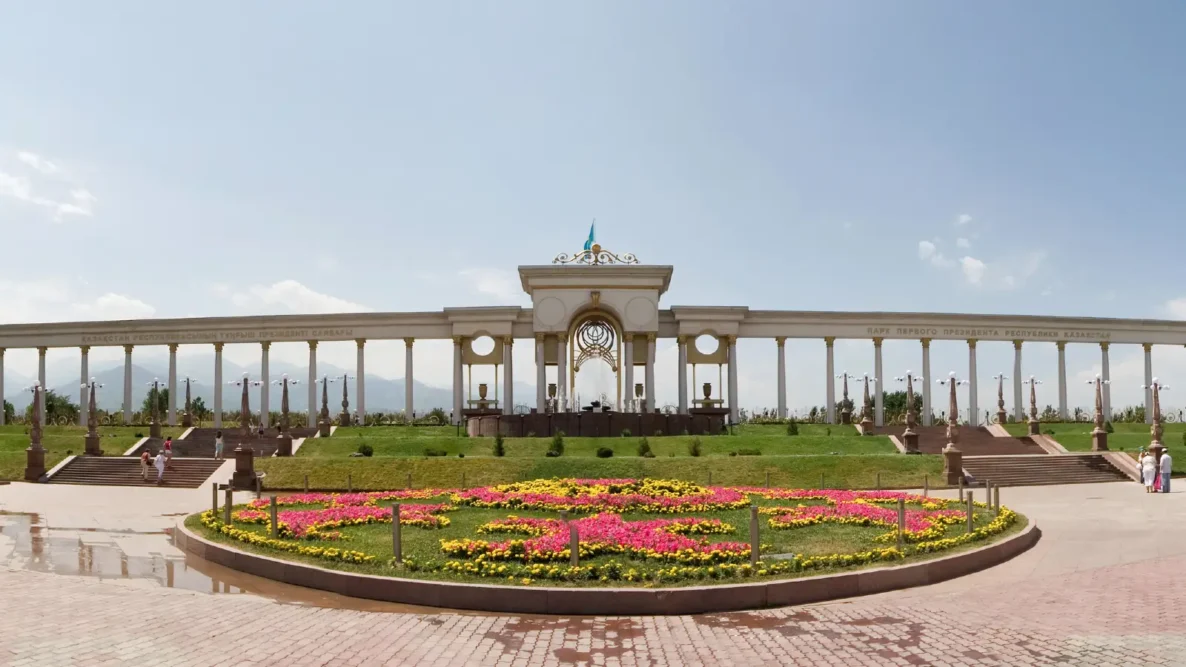
The Birthplace of Apples
Apples have long been a fruit-bowl staple, but did you know their origins trace back to Kazakhstan? The wild apple, Malus sieversii, was first identified by a biologist in a grove near Almaty, the country’s former capital. This variety is now recognized as the primary ancestor of the domesticated apples we enjoy today.
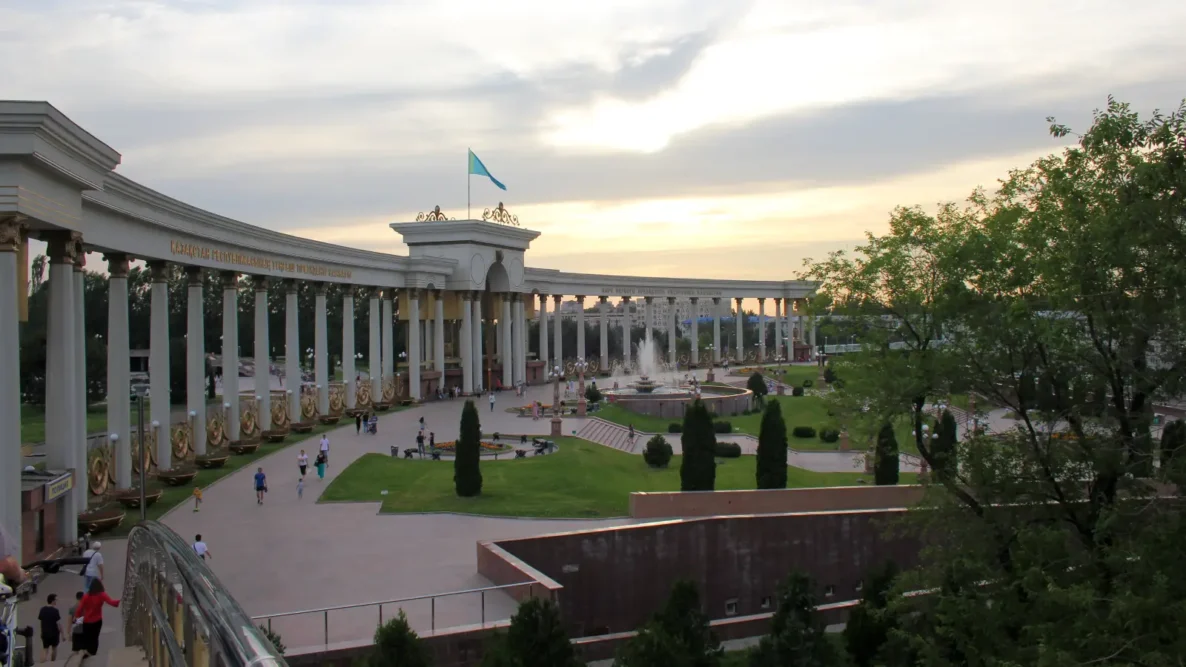
In Almaty, visitors can find reminders of this heritage everywhere, from apple-shaped fountains in the city centre to the vibrant apple markets held weekly. The city even hosts an annual apple-themed festival, Alma Fest, to celebrate its fruity legacy. This year’s event took place in September and offered visitors the chance to sample the famous Aport apple and other local varieties showcased by farmers from across the region.
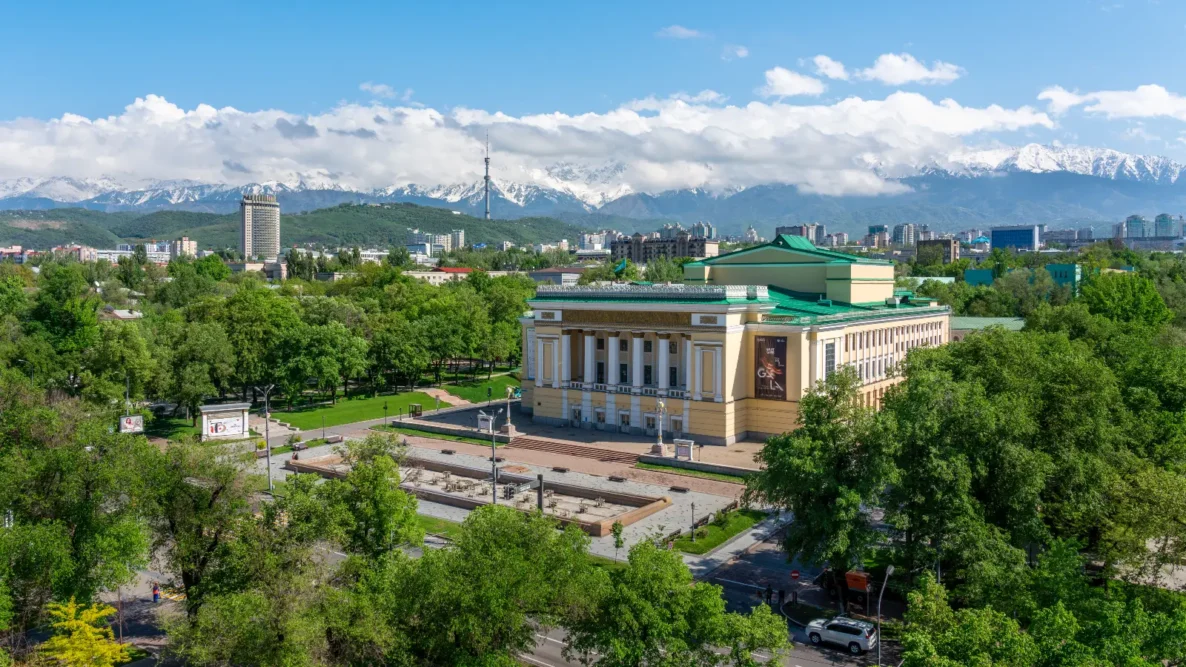
Fermented Horse Milk: A National Treasure
Kazakhstan’s nomadic heritage is deeply tied to horses, which provided the Kazakh people with transport, companionship, food, clothing, and even drink. It is widely believed that Kazakhstan was the first place humans domesticated and rode horses.
During their long, arduous journeys, nomads relied on high-fat diets of meat and dairy for sustenance. One of the most distinctive beverages to emerge from this era is kumys — fermented horse milk. Though its smoky, tangy flavour might be an acquired taste, many locals swear by its health benefits, which range from boosting immunity to revitalizing the body with essential nutrients. It’s even said to cure hangovers!
There are over 40 varieties of kumys, distinguished by their preparation methods, fat content, and ageing periods. This unique drink remains a staple in traditional Kazakh cuisine.
Head to the Central State Museum of Kazakhstan in Almaty to delve deeper into Kazakhstan’s nomadic history. This museum, housed in a striking yurt-shaped building, offers insights into the country’s evolution, its vibrant culture, and the legendary Silk Road.
The Largest Landlocked Country in the World
Kazakhstan holds many records for its size. It’s the ninth-largest country in the world and the second-largest in Central Asia, but it’s most notable for being the largest landlocked country on Earth. Despite its massive land area, its population density is remarkably low — just 18 people per square mile, compared to 727 in the UK. This means Kazakhstan offers vast, untouched landscapes waiting to be explored.
For a true taste of this wilderness, take a day trip from Aktau to the spectacular Bozzhyra Tract in the Mangystau region. Once submerged beneath the ancient Tethys Ocean, this area is now a stunning natural wonder. Fossil hunters might even uncover shells or prehistoric shark teeth — remnants of the ocean that existed millions of years ago.
The Origin of Natural Beauty
The tulip, now synonymous with the Netherlands, actually originated in Kazakhstan. Around 10 million years ago, the first tulip was discovered in the foothills of the Tien Shan Mountains. Astounded by its beauty, the Ottoman Empire’s leader introduced it to the gardens of the empire’s elite, where it became a symbol of power and prestige.
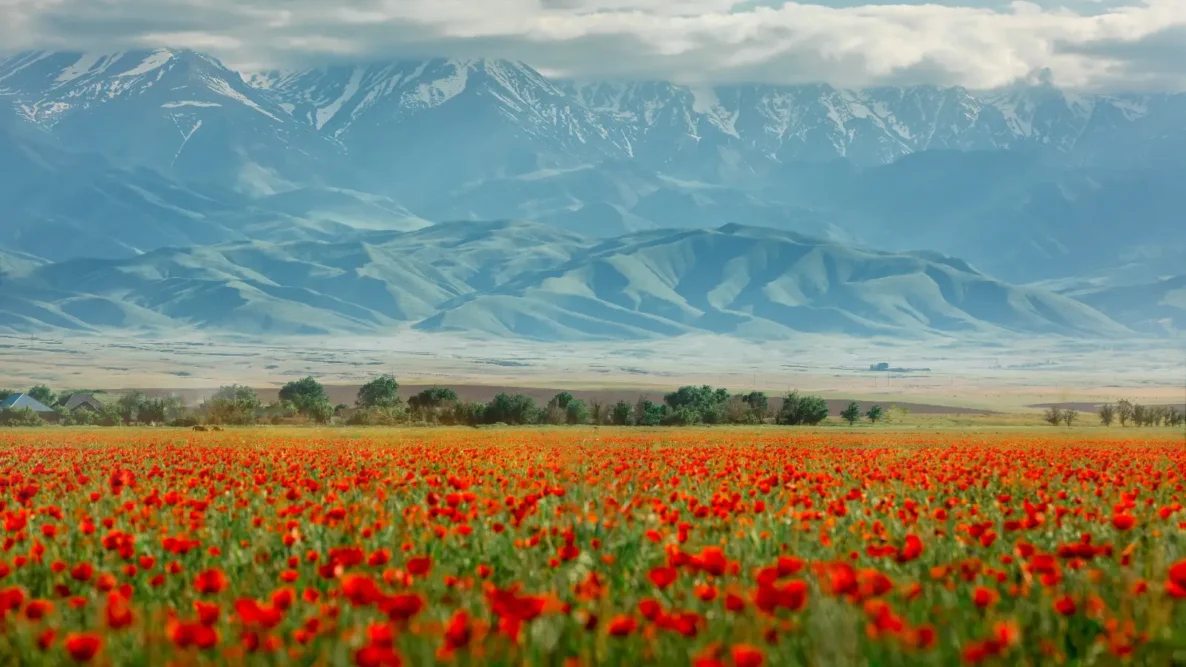
Today, Kazakhstan is home to around 35 wild tulip species that bloom in spring, painting the landscape with vibrant colours against a backdrop of snow-capped peaks. Nature lovers can also visit the poppy fields in May along the route from Almaty to Charyn Canyon or marvel at the delicate alpine flowers of Shymbulak during the summer months. Tulip festivals are held annually across the country, celebrating Kazakhstan’s role in cultivating one of the world’s most iconic flowers.
Travelling to Kazakhstan from the UK is straightforward, thanks to a direct flight option. Air Astana , the country’s national airline, offers regular direct flights from London Heathrow to Almaty — Kazakhstan’s largest city — with prices hovering at around £550 for a return flight. Once you arrive, domestic flights, trains, and buses make it easy to explore this incredible country’s vast and diverse landscapes.

He is the founder of Huff Media, publisher of Professional Pickup, Professional Van, Average Janes, Average Joes, and CALIBRE. His work focuses primarily on light commercial vehicles, pickups, and real-world vehicle use, with much of his time spent on manufacturer launches, industry events, and long-term vehicle testing.