
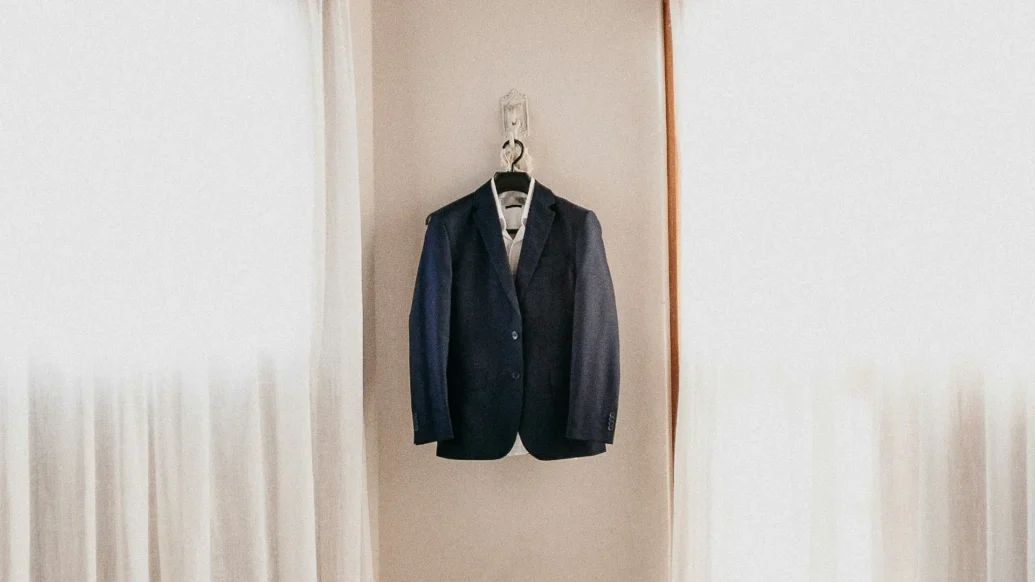
While the world may appear to descend further into political and financial chaos, a good suit may be the only thing you can rely on. While the weight of fabric and design detailing might change from season to season, a classically designed and cut suit could, with sympathetic wear, last far longer than whoever is supposed to be running the country being in power. Whether it’s a classic suit for work, occasion wear, or just a new twist to keep up with changing trends, this is the quick suit school guide for you.
As Yves Saint Laurent once said, “Fashions fade, style is eternal.” The attributes for a timeless suit are like fine art. They are, in reality, open to interpretation. Some gentlemen stick to a classic cut, which, like Dame Helen Mirren, will age fabulously. Some men like buying a new suit every season, staying with, and sometimes ahead of, the trend. Others enjoy sourcing a vintage suit, having it reworked at the tailors, and making it more contemporary. In truth, it’s up to you. By examining the details of what to look out for, you can begin to put together the look that’s right for you.
There is something built into the fibres of a good suit that makes a man feel good about himself. It makes a man feel confident and allows him to portray the perfect image of himself. It infiltrates his very being, through his body and soul. His posture and attitude change. A good suit changes not just the way you look, but perhaps more importantly, the way you feel.
It’s all in the Details
Buttons
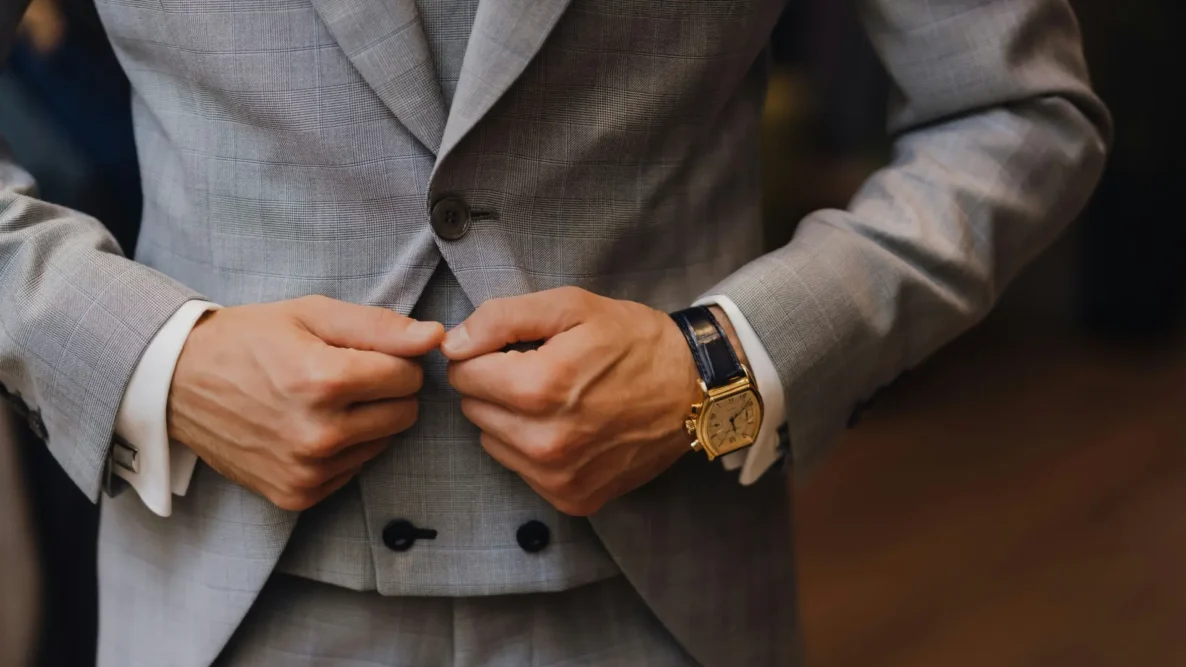
Suiting available worldwide will come under one of three categories. A three-button suit is a trend outside Europe and is commonplace in the United States. It tends to accompany wide, long jackets and baggy trousers in the box-fit American suiting style. Two-button suits are the most traditional and readily available style of formalwear on the European continent, favoured by Italian and English tailors, offering a timeless, classic look. One-button suits offer a more contemporary twist on a classic look, whilst accentuating body shape with a unique point where the sides of the jacket meet and height with greater distance from the button to the jacket’s hem.
Fabric
Wool is a great base fabric for suiting due to its warmth and versatility. Mohair is the material of choice to reduce creasing and increase how hardwearing the fabric will be. And as such is ideal for businessmen who travel. Polyester is an affordable fabric that reduces the weight of the composite fabric, making it lighter whilst also adding sheen for a crisp finish. Polyamide is often included to reduce creasing and to help prevent wool bobbling. Cotton is popular in summer suits as it is lightweight, versatile, and breathable. And silk is often blended to add sheen, softness and a more luxurious feel.
Lapels
There are two main types of lapel (peak & notch lapel) that you will see regularly on the high street, with an additional two that are often used in high-fashion tailoring or event wear due to their distinctive aesthetics — the high gorge and shawl lapel. Choice really comes to what you prefer.

Lining
The two lining styles commonly used in tailoring are a half-lined and a fully lined jacket. A half-lined jacket is lighter than a fully lined jacket and, as a result, is a favourite for summer suiting. A half lined jacket is also a sign of quality, as the workmanship involved in the attachment of a half lined jacket to the jacket shell is more than a fully lined jacket.
Vents
Vents on modern suiting range from no vents to a single-vented jacket or double-vented jacket. A lack of venting gives a great shape to suiting but is not overly practical, as it limits range of movement and can inhibit access to trouser pockets. A single-vented jacket is favourable for a slimmer gentleman and offers a classic, timeless look, along with a greater range of movement. The twin-vented jacket is a signature of Savile Row, allowing the pockets to be accessed more easily, providing a more comprehensive range of movement, and being much better for a gentleman with a larger seat.
Cut and Fit
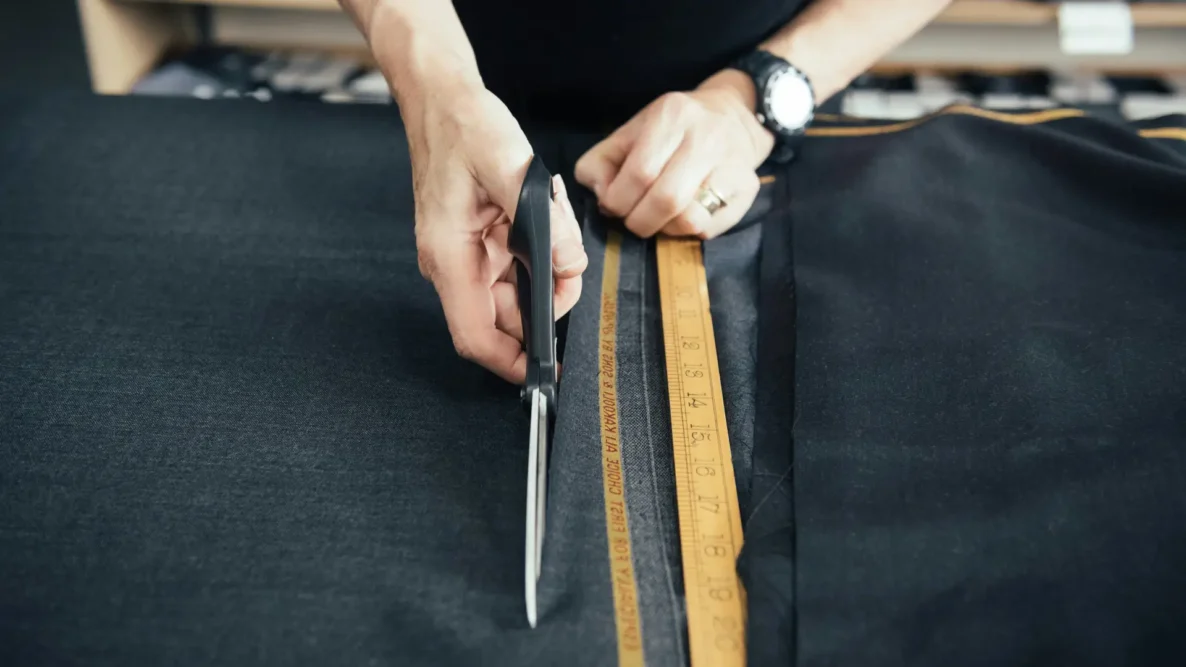
The cut of a suit can make or break how it makes you feel and how it showcases your body. An off-the-peg suit can be altered in almost all conceivable ways, including taking the jacket in at the side and back seams, altering sleeve and jacket lengths, and taking the trousers up at the waistband, sides, and seat. Bespoke suits offer a very competitive alternative to getting a suit made from scratch. For a truly perfect fit, however, getting a suit made to measure provides the best in options and fit.
Accessories
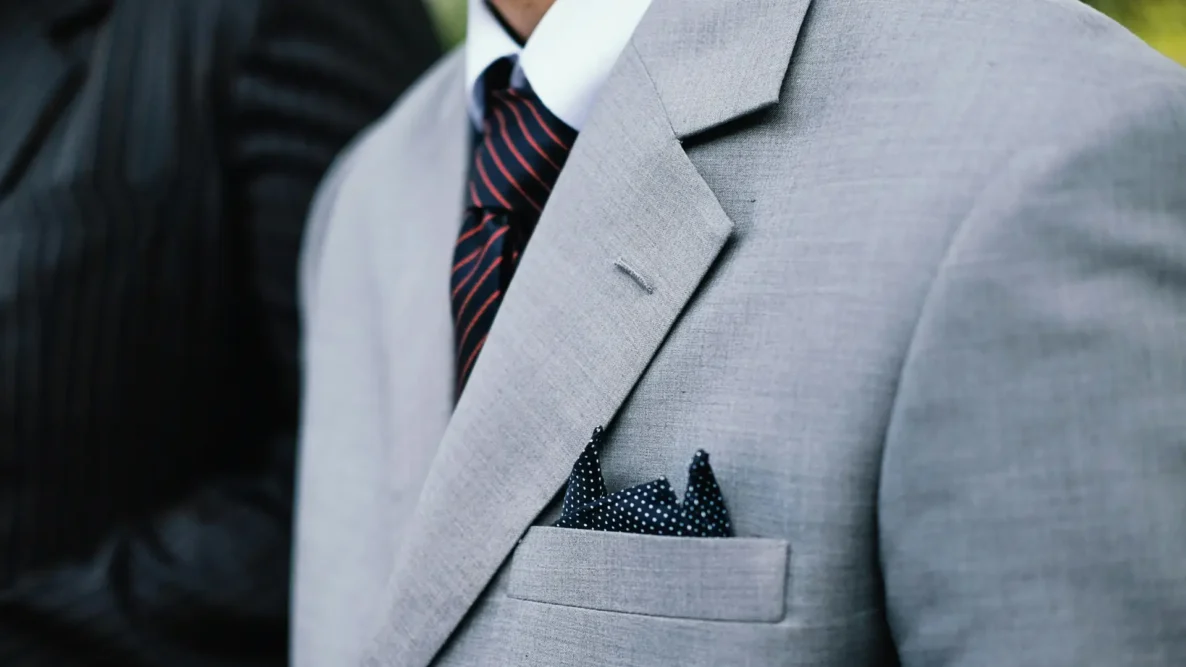
A good shirt and tie, a pocket square or handkerchief, a tie pin, a bag, and shoes all lead to a man embodying his inner formal superhero. The right ensemble is essential for making the right impression, whether at a business meeting, a wedding, or a job interview. If you look like success and confidence, then that’s exactly what people will think.
And there it is, an introduction to suiting. Hopefully, that will give you a good foundation to work with for your formalwear. Try all suits with a range of shirts and ties to get the best combinations. Experimentation is the key!

- Winter Is Coming: Five Ways To Keep Your Car Safe - 9 December 2020
- Branded: adidas - 6 May 2014
- BMW M235iReview - 11 March 2014