
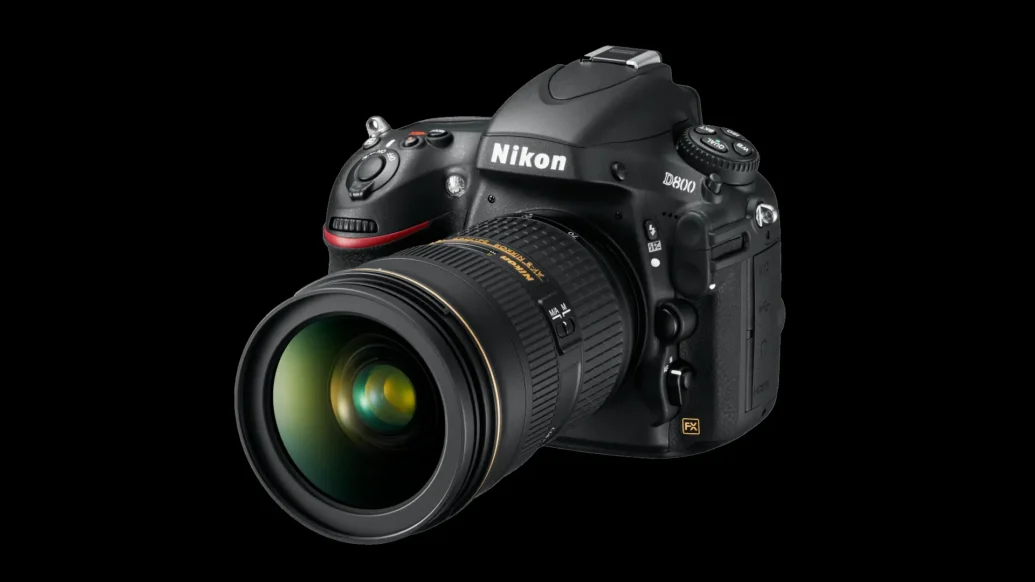
Every so often, a camera arrives that changes the industry in which it resides.
Canon did it with the original EOS 5D, bringing full-frame photography to a far wider audience. Nikon did it with the D3, whose remarkable high-ISO performance made photographers question whether they’d ever need another camera.
Now Nikon is hoping to do it again with the D800.
Replacing the hugely successful D700 was never going to be easy. Sharing the same 12-megapixel sensor as the flagship D3, the D700 earned a reputation as one of the finest all-round DSLRs ever built, and even years after launch, used examples still command strong prices.
Many expected Nikon simply to borrow the 16-megapixel sensor from the newly announced D4.
Instead, it unveiled something altogether more ambitious.
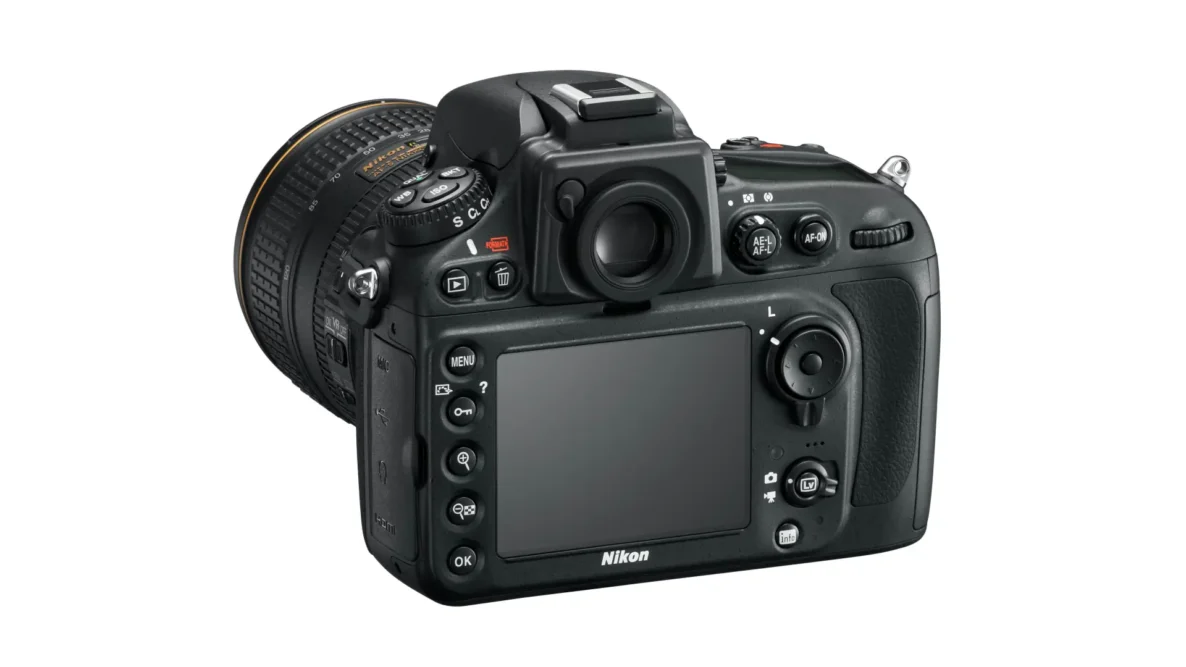
The Nikon D800 arrives with a staggering 36-megapixel full-frame sensor — three times the resolution of the D700.
Ordinarily, that might have worried me.
For years the camera industry has been obsessed with squeezing ever more megapixels onto increasingly crowded sensors. More pixels never automatically meant better pictures, and Nikon had already proved that image quality mattered far more than headline numbers with cameras like the D3, D3S and D700.
The difference here is that Nikon appears to have made those extra pixels count.
The sample images released with the camera are genuinely impressive. One photograph of a library retains astonishing levels of detail, allowing you to zoom in and read many of the titles on the bookshelves. High-resolution cameras have existed before, but rarely with this level of image quality.




Video has also taken a significant step forward.
DSLRs have been capable of shooting HD video for several years, with Canon leading much of the way, but the D800 raises the bar again. Nikon’s sample footage looks superb, while professional touches such as uncompressed HDMI output make it an appealing option for filmmakers as well as photographers.
This isn’t a camera for everyone.
The enormous file sizes inevitably affect shooting speed, with continuous shooting topping out at four frames per second. Sports and wildlife photographers will almost certainly continue to favour the flagship D4.
Where the D800 really makes sense is in the hands of fashion, wedding, commercial and editorial photographers. For anyone producing large prints or demanding maximum image quality, those 36 megapixels could prove invaluable.
Perhaps the biggest surprise is the price.
At around £2,400, the D800 undercuts cameras such as Nikon’s own D3X by a considerable margin while offering significantly higher resolution.
On paper, at least, Nikon appears to have produced one of the most compelling DSLRs in years.
Whether it proves to be as influential as the D3 or D700 remains to be seen, but one thing is certain: the D800 has everyone talking.

- Lotus Eletre: Still for the Drivers? - 25 April 2022
- Fujifilm X-T4: All the Camera You Could Need? - 25 April 2022
- Lotus Eletre Is an Electrifying Leap Into the World of Hyper SUVs - 30 March 2022