
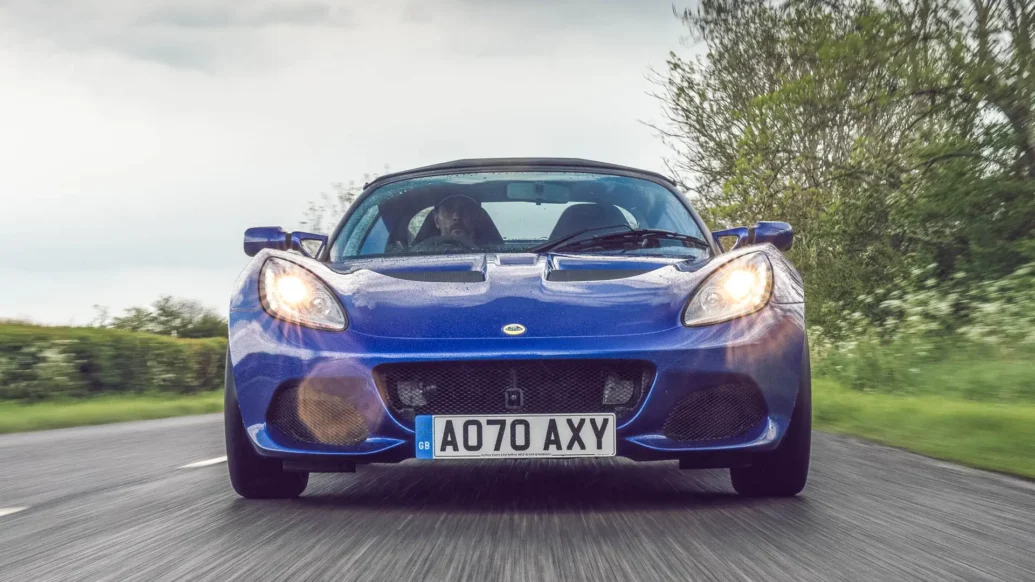
For the last 26 years, the Lotus Elise has been at the forefront of driving dynamics and enjoyment. But this year we will have to wave goodbye to this motoring icon. I drove the Lotus Elise 240 Final Edition to see what the last hurrah has to offer.
As I slide into the cosy cockpit of the Elise 240 Final Edition, I feel at home. This is a familiar place that hasn’t changed all that much in the last 26 years. Yes, there’s lashings of Alcantara, A/C and Bluetooth connectivity, but there’s also the same intimate feel and connection to the car underneath that nothing this side of a Caterham can offer.
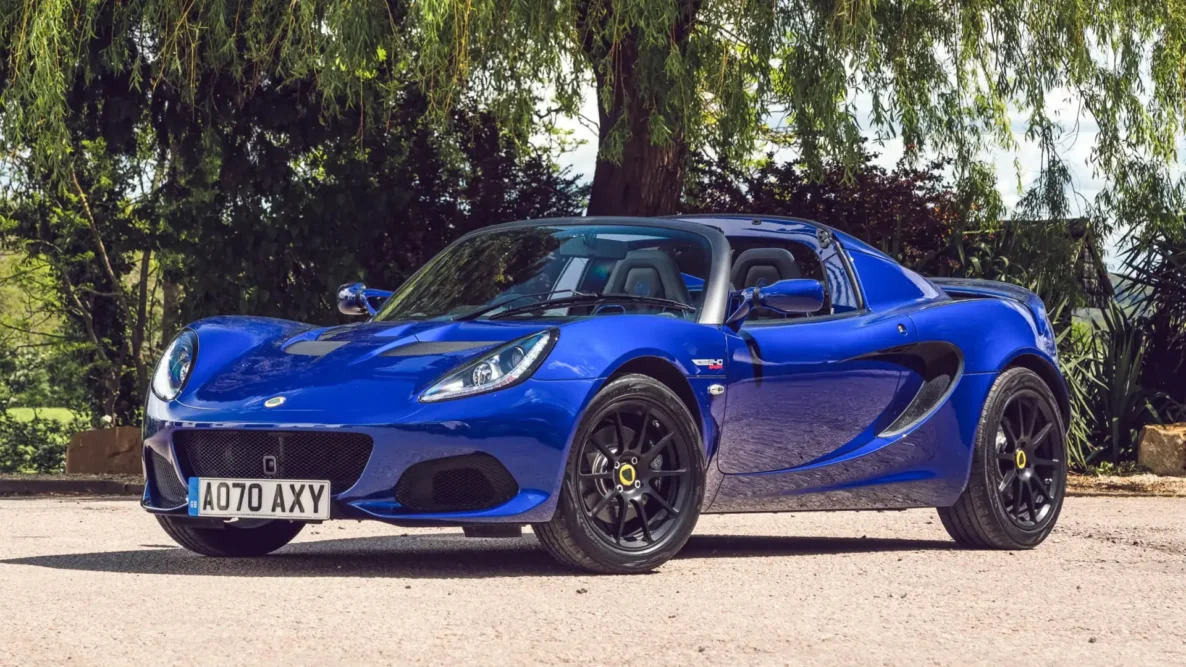
There is one notable change, though. The old analogue dials have made way for a small TFT screen that sits directly behind a newly designed steering wheel. It offers all the info you could need and nothing more, and the wheel is just as tactile and perfectly sized as ever.
After pressing the starter button, you’re met with a now familiar noise, but one that had been lacking from Elise’s for a few years. Just like the bigger Exige and Evora, Lotus somehow manages to make an engine with mundane origins sound exciting, and it’s the same with the final edition of the Elise. It’s the part of the experience that modern electric Lotus cars won’t be able to match.

Just pulling out of the car park is a reminder of how good this little car is. Many modern sports cars need to be really pushed hard to get a feel for how good they really are. The Elise has always been the opposite. It feels superb at any speed, and that is thanks to the non-power-assisted steering, small footprint, and stiff chassis. It’s so cliche to say, but it’s like driving a go-kart. The icing on the cliche cake is that the steering is borderline telepathic in nature. I implore you to try any sports car from the last 30 years and then drive an Elise. It will steer better.
This Final Edition is more than just a badge special versiof of the Lotus Elise, though. It has more power, hence the 240 name. It has around 20hp more than the non-Final Edition, thanks to an ECU tweak. The performance feels roughly the same, but the old car never felt slow anyway. The extra power allows a 0-60 in 4.1 seconds and a top speed of 147mph, and unlike a lot of bigger cars, you’ll really feel like you’re going that fast in the Elise. The bum-dyno registers far greater performance than the numbers suggest.
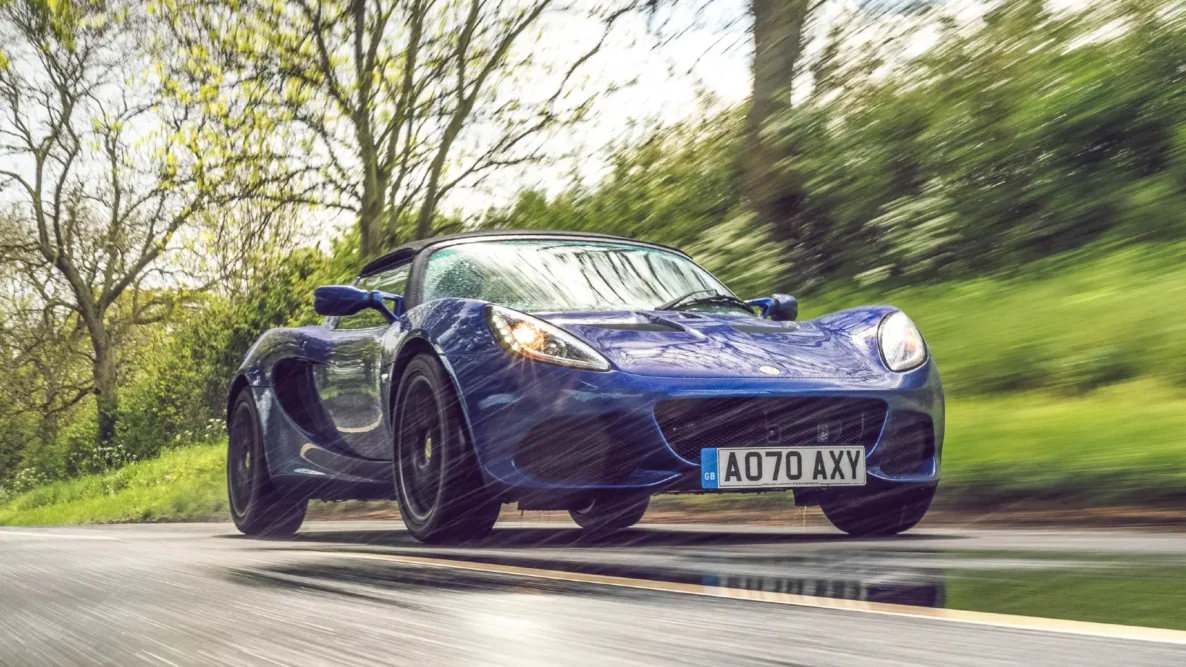
Overall, I think the Elise (this goes for all of them) is the greatest sports car ever made. It redefined the sports-car market over 26 years ago, and today it feels even more relevant. I wish they weren’t killing it off, but I’m also not totally upset, as I already have a 20-year-old Elise on my drive, and it is just as fun as the current one.
I bid a sad farewell to the king of driver’s cars and look forward to seeing what Lotus has planned next.

- Lotus Eletre: Still for the Drivers? - 25 April 2022
- Fujifilm X-T4: All the Camera You Could Need? - 25 April 2022
- Lotus Eletre Is an Electrifying Leap Into the World of Hyper SUVs - 30 March 2022