
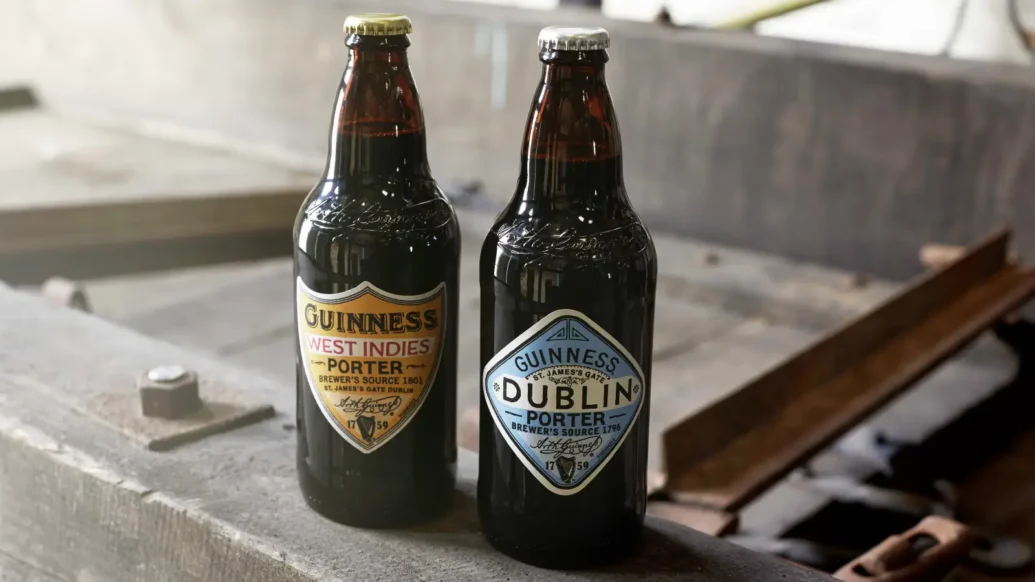
Guinness is undoubtedly the world’s best-selling stout, but it isn’t one to rest on its laurels. Guinness wants to refresh its image and muscle into the craft beer revolution by introducing two new beers, the Dublin Porter and West Indies Porter.
Reaching back through its history, it’s pulled out a few recipes from its archives to create these two beers that will be sold across the UK by the bottle, although the Dublin Porter may also be found on tap in some rather lucky locations.
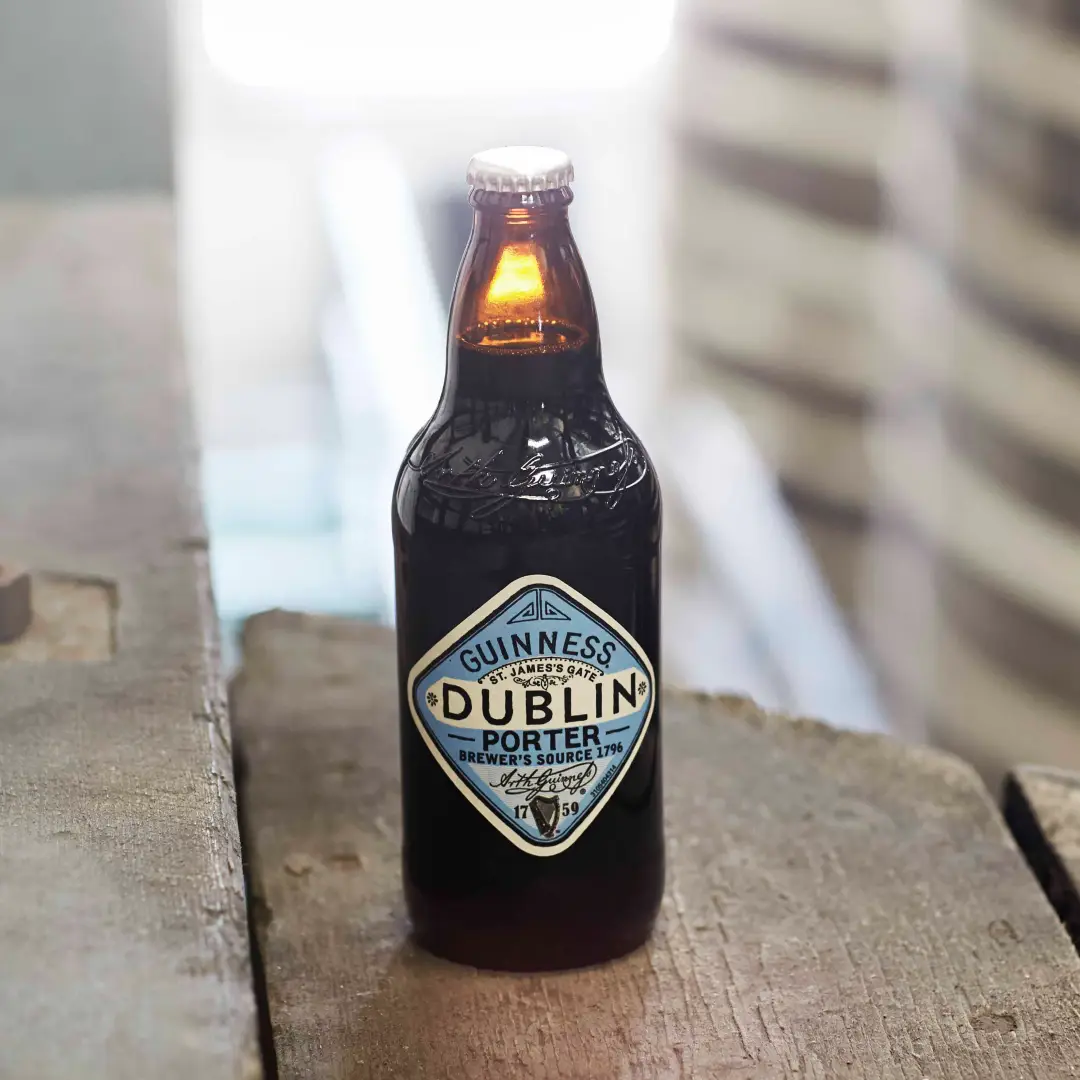
Dublin Porter
Firstly, what do we think of the new beers? Immediately out of the bottle, the Dublin Porter looks lighter and more opaque than your standard draught Guinness. The taste? There are some specific chocolate notes, lightly roasted hop flavours and a slight coffee bitterness.
It feels a lot easier to drink than the regular draft, and this is reflected in the alcohol content, being just 3.8%. It’s the kind of beer you could sit and drink for a while and not feel too heavy, full or drunk from. That said, we don’t think this will go down too well with the customary Guinness drinker, who will miss that weighty feeling and depth.
This is definitely a version of Guinness for those who probably aren’t big fans of actual Guinness and want a sort of halfway house.

West Indies Porter
The West Indies Porter is a much more pleasing beer to your typical Guinness fan, although it may prove divisive amongst others. This only comes in bottles, and upon pouring it out, you are struck by the rich, dark brown colour of the liquid and the caramel-coloured head that forms.
It has a deeper aroma than the lighter Dublin Porter and is quite bittersweet to the nose but more sweet than bitter. The taste is altogether much more warm and welcoming than the Dublin Porter. The West Indies Porter has a rich depth of caramel and coffee, sits satisfyingly in your mouth, and runs smoothly down your throat. It is a tad stronger at 6%, and if you had to place it on a spectrum, it is somewhere between your draught Guinness and Guinness FES.
The Why…
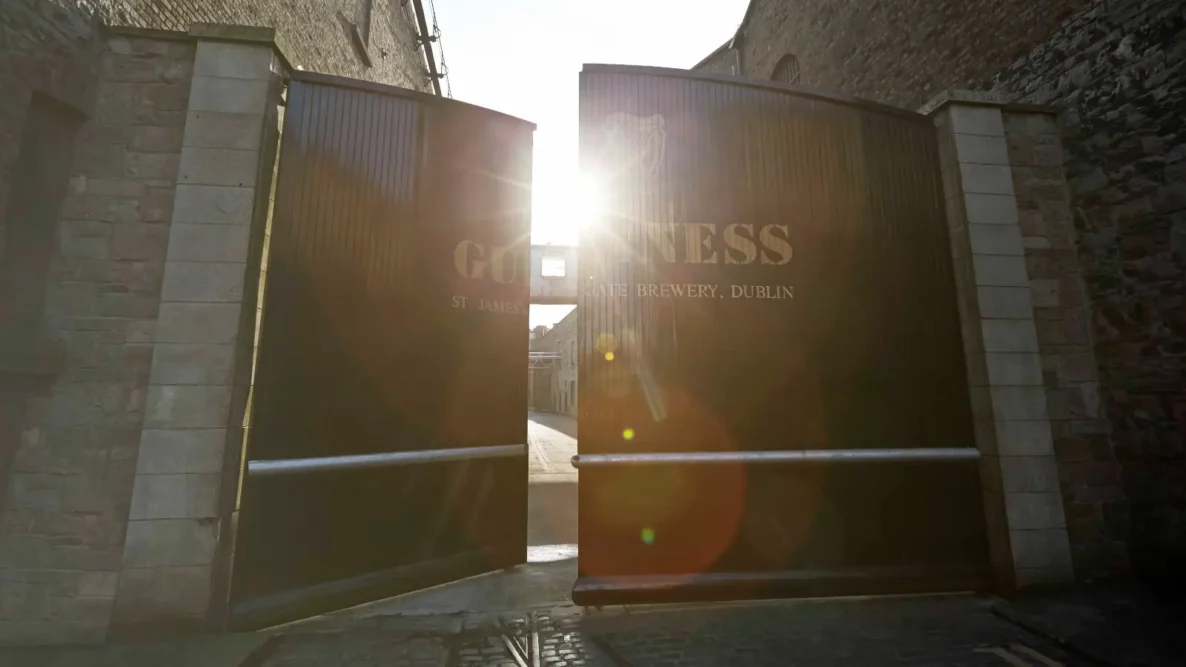
In 1759, Arthur Guinness signed a 9,000-year lease on the now famous St James’ Gate, Dublin brewery . Since then, it has been pumping out Guinness to a thirsty marketplace across Europe. In those 255 years, a lot has changed, with Guinness going global and breweries popping up worldwide to satisfy demand.
Meanwhile, the original site in Dublin underwent a lot of expansion, and more recently, its own Brewer’s Project has taken the spotlight — a brewery where some highly skilled individuals get both to play with old recipes and concoct something new.
But you have to stop and ask yourself, why try to reinvent the wheel? Guinness is a best seller, a great stout, and an industry icon. The answer is that the market is shifting, and it doesn’t want to get left behind. Craft beer is all the rage, and anything in a bottle with a cool label will sell well to the hip crowd. Consumers care more about the source and the story than the taste. It would be remiss of Guinness not to wade in with their archive of beer recipes and give the craft beer nut a crack.
The How…
We spent an evening getting to know the Dublin Porter and West Indies Porter a little better alongside Guinness brewer James Cameron, a man whose day-to-day job involves cycling into the brewery nice and early to get his brew on (not tea) and drinking a healthy amount. He told us that the Dublin Porter and West Indies Porter are less about invention and more about (re)discovery.
Guinness employs two full-time archivists, historians who spend all day and night dealing with family trees, dusty old books and information requests. It might not sound exciting, but they love it. Within the tomes they care for lies their history, brewer’s diaries, the majority of the old Guinness recipes as well as sales and marketing.
The archives that Guinness keeps are extensive, but they are not without limitations. When it came to finding these old recipes, it certainly had some information about the ingredients, but details were missing. A bail of hops? Which hops? How big was this bale? Which season’s hops?
With some bookish research, a great deal of endeavour and a lot of taste testing, the Brewers Project was able to (re)create the Dublin Porter and West Indies Porter. Why is (re)created bracketed? Well, it’ll never be exactly the same, but there’s nobody left who tried it the first time around to point it out. However, after panels of taste testers approved the brews, they were green-lit for production. Interestingly, this is also another amazing job you can get at Guinness!
The archives were also the source of the labelling, where hundreds of unique labels have been collected. As the brewer did not bottle Guinness for a long time, they outsourced this, allowing each bottler to put their spin on the marketing. Pull all of these together, and you get something like what you see on these bottles.

The Who…
With the back story of Guinness feeding into the creation of the Dublin Porter and West Indies Porter, their marketing looks at the personal touch the company brings to the process: those men and women of the brewery who work to bring these creations to life and your lips.
Again, this is part of the craft beer-drinking scene, where the story is almost even more important than the beer itself. Given their role, we feel they should have included the archivists, but you can’t have it all!

What They Said…
Head of innovation for Guinness, Nick Curtis-Davis, said: “As beer lovers’ tastes and the beer landscape itself evolves, it is important we continue to stay at the forefront of beer innovation. Our brewers, at the core of the project, are passionate about pushing boundaries, whilst keeping true to the Guinness quality our customers know and love. Our two new beers; Dublin Porter and West Indies Porter are examples of this innovation and demonstrate the exciting things our brewers are continuing to do with stout. Guinness is only 255 years into its 9000-year lease; these two new beers are just a taste of what’s to come.”

- Stars Wars Team Up with TOMS for Footwear Collection - 4 July 2019
- St Patrick’s Day Events in London 2019 - 12 March 2019
- Casio Release Special G-Shock and Transformers Watch - 23 November 2018